In a villa renovation, custom joinery works best when it is planned early and sequenced with the other trades: concept and space planning first, then services coordination, then final site measurement once finishes are ready, then design sign-off and manufacturing, and finally installation and handover. Bringing your manufacturer in at the start avoids rework, protects the schedule, and gets a better fit for built-in furniture such as closets, TV walls, kitchens, and wall panels.
This guide takes you through the phases in the order they usually happen. It is written by Theyyampattil Furniture, a custom-made furniture manufacturer with in-house production serving villas across Dubai, Sharjah, and Abu Dhabi.
Why Joinery Planning Should Start Early
Joinery Touches Every Trade
Custom furniture and wall joinery depend on electrical points, lighting, air conditioning, plumbing, wall finishes, and flooring. If the joinery is not considered early, other trades may place services where the furniture needs to go.
What Goes Wrong When Planning Starts Late
Late planning often leads to moved sockets, patched walls, awkward gaps, and redesigned units. Early coordination lets the design and the site work fit together the first time.
Phase 1: Concept and Space Planning
Deciding Which Rooms Get Custom Joinery
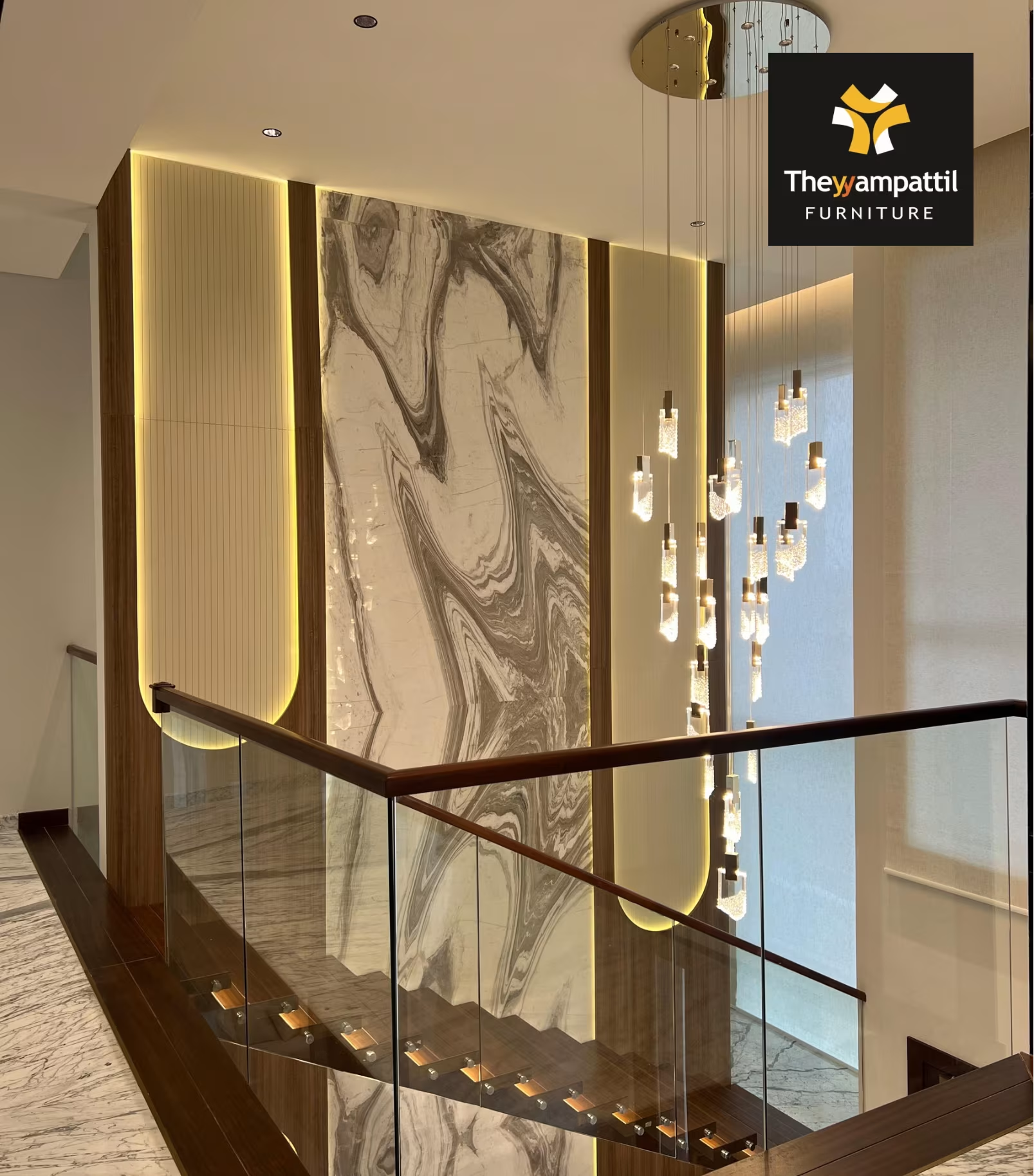
Decide where custom work adds the most value, such as the master closet, TV and feature walls, kitchen, entrance, and majlis. Built-in pieces suit rooms where an exact fit and a consistent design matter most.
Sharing Plans With Your Manufacturer
Share floor plans, elevations, and your design direction early, even if details are not final. Your manufacturer can flag practical issues, such as wall thickness, ceiling heights, and service positions, before they become problems.
Phase 2: Services and Electrical Coordination
Lighting, Sockets, and TV Points
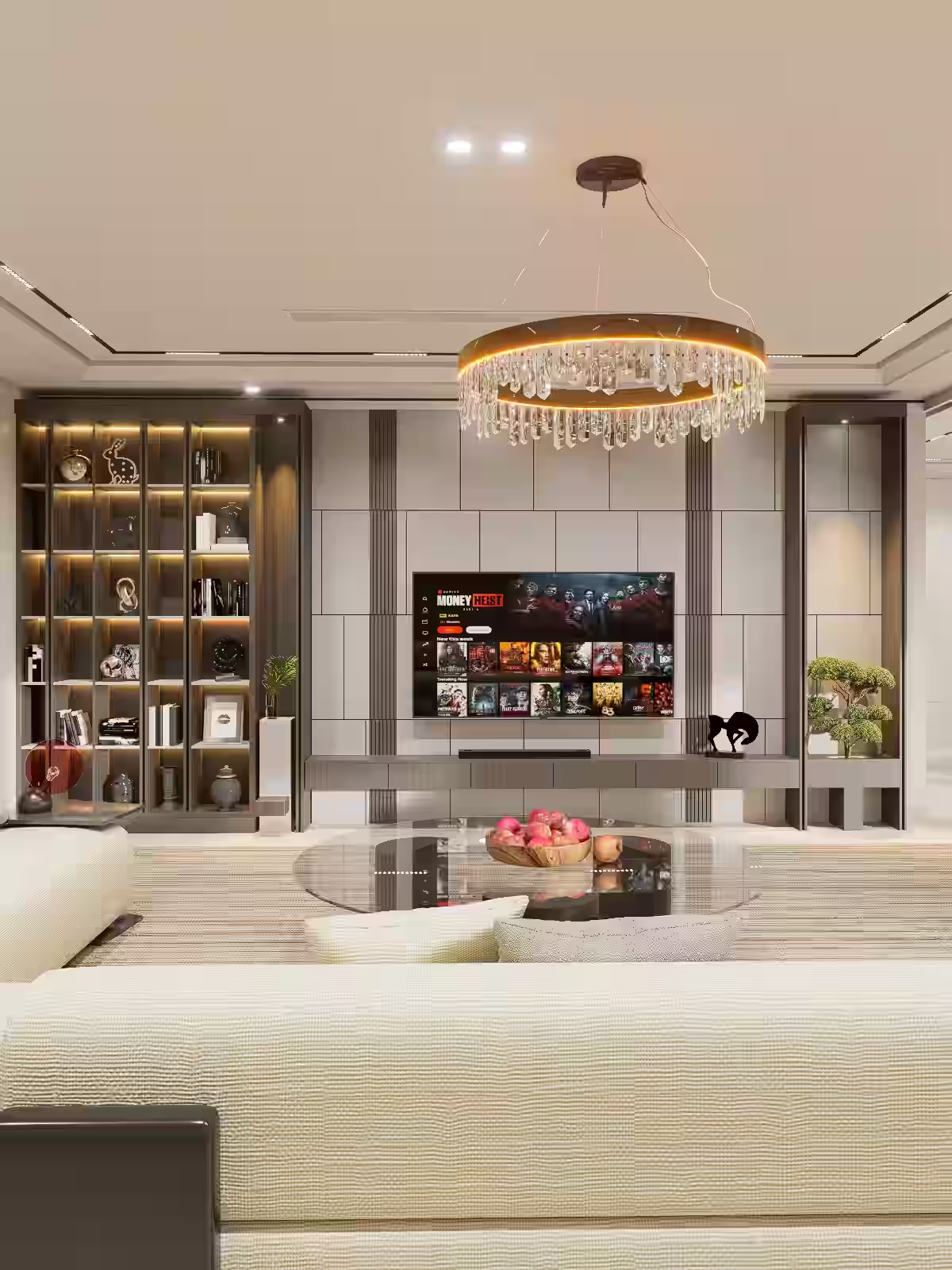
Agree the positions of lighting, sockets, data points, and TV connections with the joinery design in hand, so they land inside or beside the units, not behind them.
Air-Conditioning and Ventilation
Note where air-conditioning outlets, return grilles, and ducts sit. They affect wardrobe layouts, wall panels, and where wood furniture should be placed.
Phase 3: Finishes and Site Measurement
Why Final Measurements Come Late
Final measurements are most reliable once walls, floors, and ceilings are close to complete, because plaster, tiling, and screed change the actual dimensions. A designer can take early measurements for planning and confirm exact sizes later.
Floors, Walls, and Ceilings Ready
Level floors, straight walls, and finished ceilings make installation faster and the result neater. Tell your manufacturer about any areas still to be finished.
Phase 4: Design Sign-Off and Manufacturing
Locking the Design
Review drawings and approve physical material samples before production begins. Changes after sign-off can pause manufacturing, so settle the details at this stage.
Production While Site Work Continues
Because custom pieces are made in the workshop, manufacturing can run while other site work is being completed. Your manufacturer can advise on realistic timelines once scope and drawings are agreed.
Phase 5: Installation and Handover
Installation Sequence
Installation order depends on the project, but the stages typically follow a pattern.
Large Fixed Elements
Wall panels, partitions, and doors are often installed first, because other pieces align to them.
Cabinetry and Wardrobes
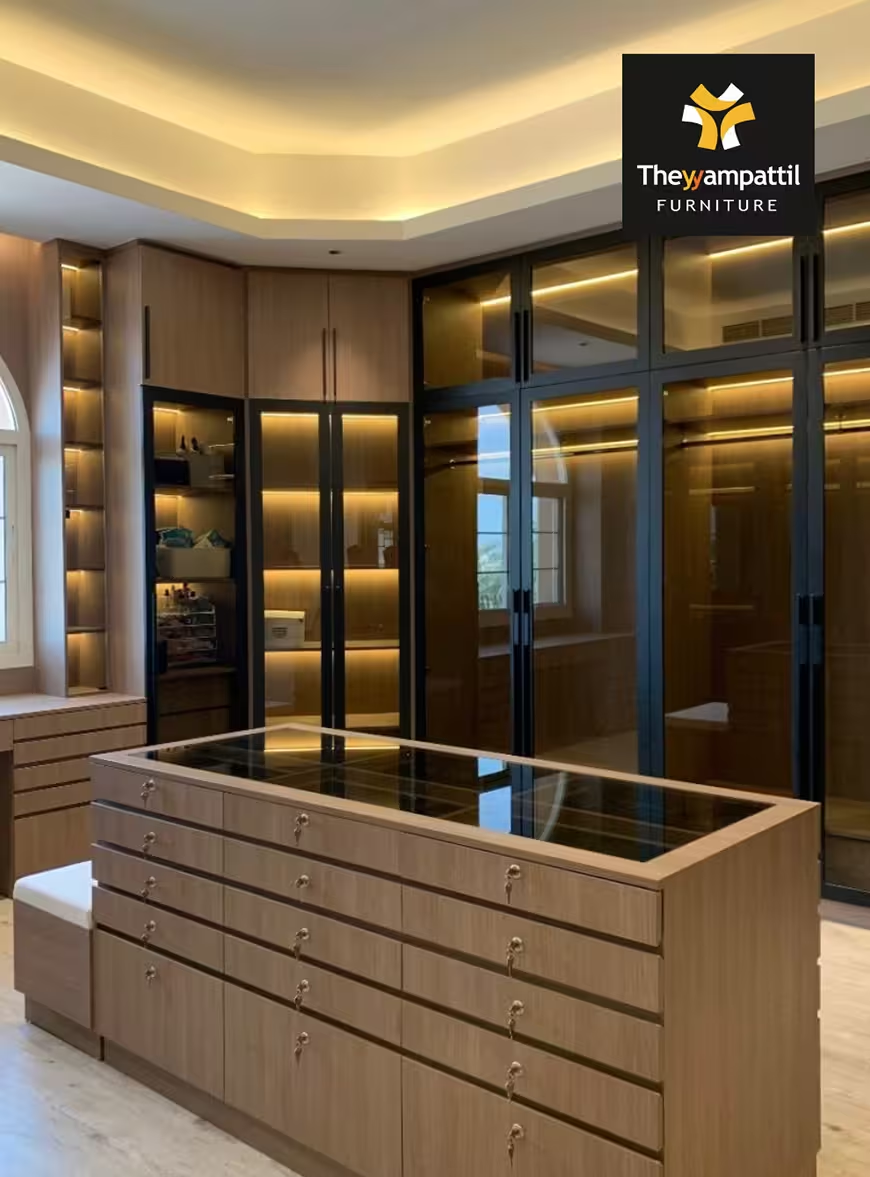
Built-in units, closets, and kitchen cabinetry follow, fitted to the finished walls and floors.
Final Adjustments and Cleaning
Doors, drawers, and hardware are adjusted, protective coverings removed, and the site cleaned before handover.
Handover Checks
Walk through each room, test doors, drawers, and lighting, and record any snags. A clear snag list and agreed time frame for closing items keeps the end of the project orderly.
Villa Joinery Planning Checklist
| Phase | What to Decide |
|---|---|
| Concept | Rooms that get custom joinery; shared plans and design direction |
| Services | Sockets, lighting, data, TV points, and air-conditioning positions |
| Finishes | Wall, floor, and ceiling readiness confirmed |
| Measurement | Final site dimensions taken when finishes are close to complete |
| Design | Drawings and samples approved before production |
| Manufacturing | Schedule agreed with your manufacturer |
| Installation | Sequence and site access confirmed |
| Handover | Walk-through and snag list agreed |
Villa Joinery at Theyyampattil Furniture
Theyyampattil Furniture provides custom-made joinery and furniture for villas, including TV walls, closets, kitchens, wall panels, doors, partitions, and bedrooms, all manufactured in-house at our Dubai, Sharjah, and Abu Dhabi facilities. Every project begins with a consultation and material sign-off, and our showrooms let you see finishes and craftsmanship in person.
Frequently Asked Questions
When should I involve a joinery manufacturer in a villa renovation?
When are final measurements taken?
Can furniture be made while the renovation is still under way?
Which rooms benefit most from custom joinery in a villa?
Planning a villa renovation? Book a consultation with Theyyampattil Furniture and our team will help you plan your joinery from the start.